


Diamond Brilliance: All You Need to Know

For eons, diamonds have captivated the world with their enchanting ability to dance with light. In simple terms, if your diamond is the protagonist, its brilliance is its star power. Thus, understanding the brilliance of a diamond will let you choose a stone that shines bright in every light setting.
What is Diamond Brilliance?
Evaluating a diamond by how much it twinkles when you move your hand is a legitimate strategy, but what most don’t know is that a diamond’s sparkle is due to three distinct components.

-
Diamond Brilliance: The white flash and sparkle of any diamond is called its brilliance. This happens due to the refraction and reflection of light within the gemstone.
-
Diamond Scintillation: Diamond scintillation is prominently seen when the stone is in movement. The dance of shadow and light, where some parts shine while leaving the others in darkness, is called scintillation.
-
Diamond Fire: Think of your diamond like a mini-prism. The fire of a diamond is its ability to produce rainbow-like, colorful effects within itself as light shines on it.
What Affects a Diamond’s Brilliance?
1. Cut Quality - The Most Important Factor
Unless you want your diamond to end up looking like a very expensive piece of rock salt, you will need to ensure your gem is cut properly.
-
Shallow Cut: Light enters the top of a diamond but exits with barely any reflection, making the diamond appear dull.
-
Deep Cut: If the cuts are too deep, the diamond appears smaller and darker than its actual carat weight.
-
Ideal/Excellent Cut: If you’re shopping for the best brilliant diamonds, you’re looking for something of triple excellent quality, meaning excellent cut, symmetry, and polish. In these diamonds, light perfectly bounces within the gem and is directed back to the top, blinding us with its wow factor. If “Excellent” quality is not within your budget, you can also consider “Good” and “Very Good” quality cuts. If diamond brilliance is the goal, do not settle for “Fair” or “Poor” grades.
Note: “Excellent”, “Good”, “Very Good”, and “Fair” are gradings that evaluate how well a diamond has been cut and polished, based on established industry standards .
2. Diamond Shape and Brilliance
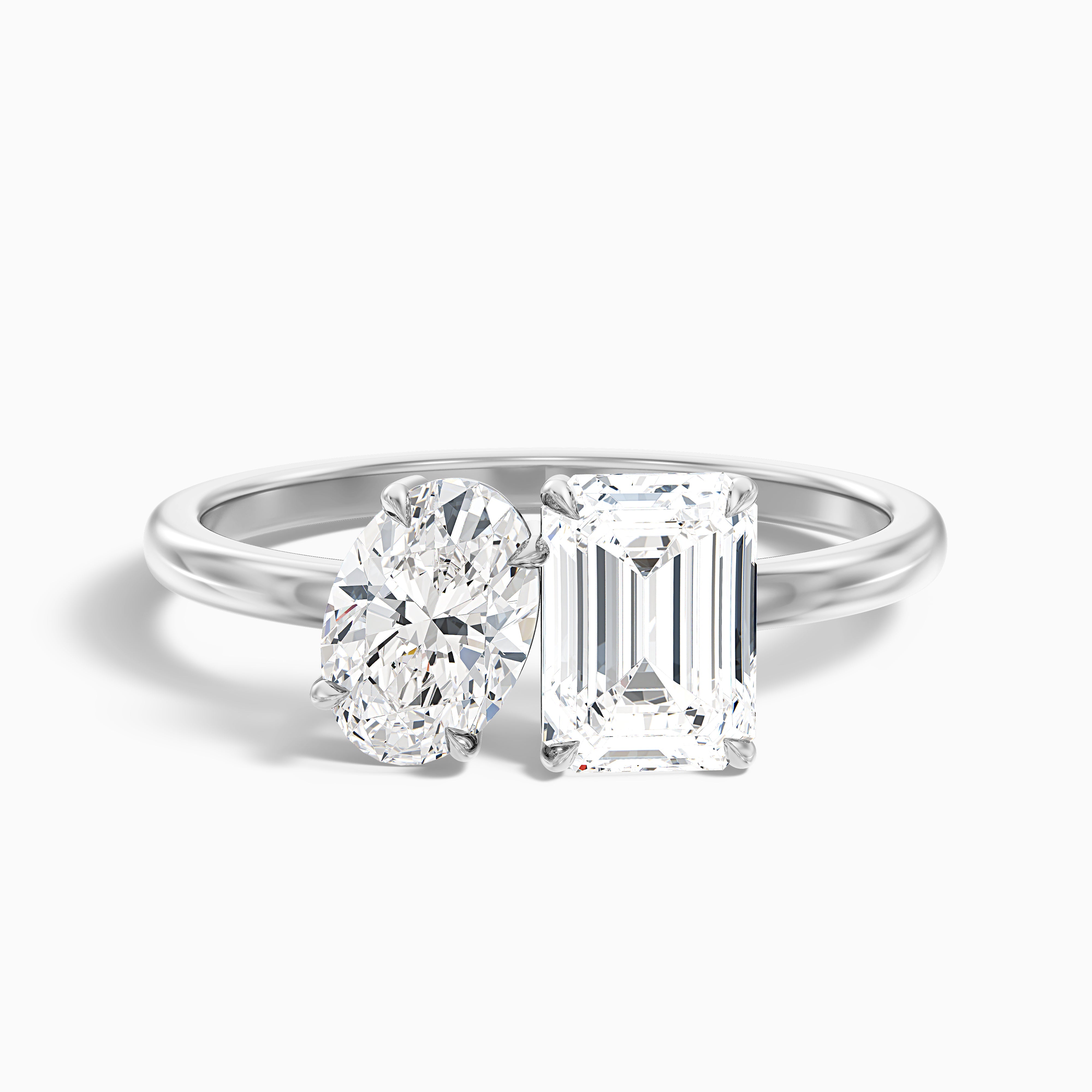
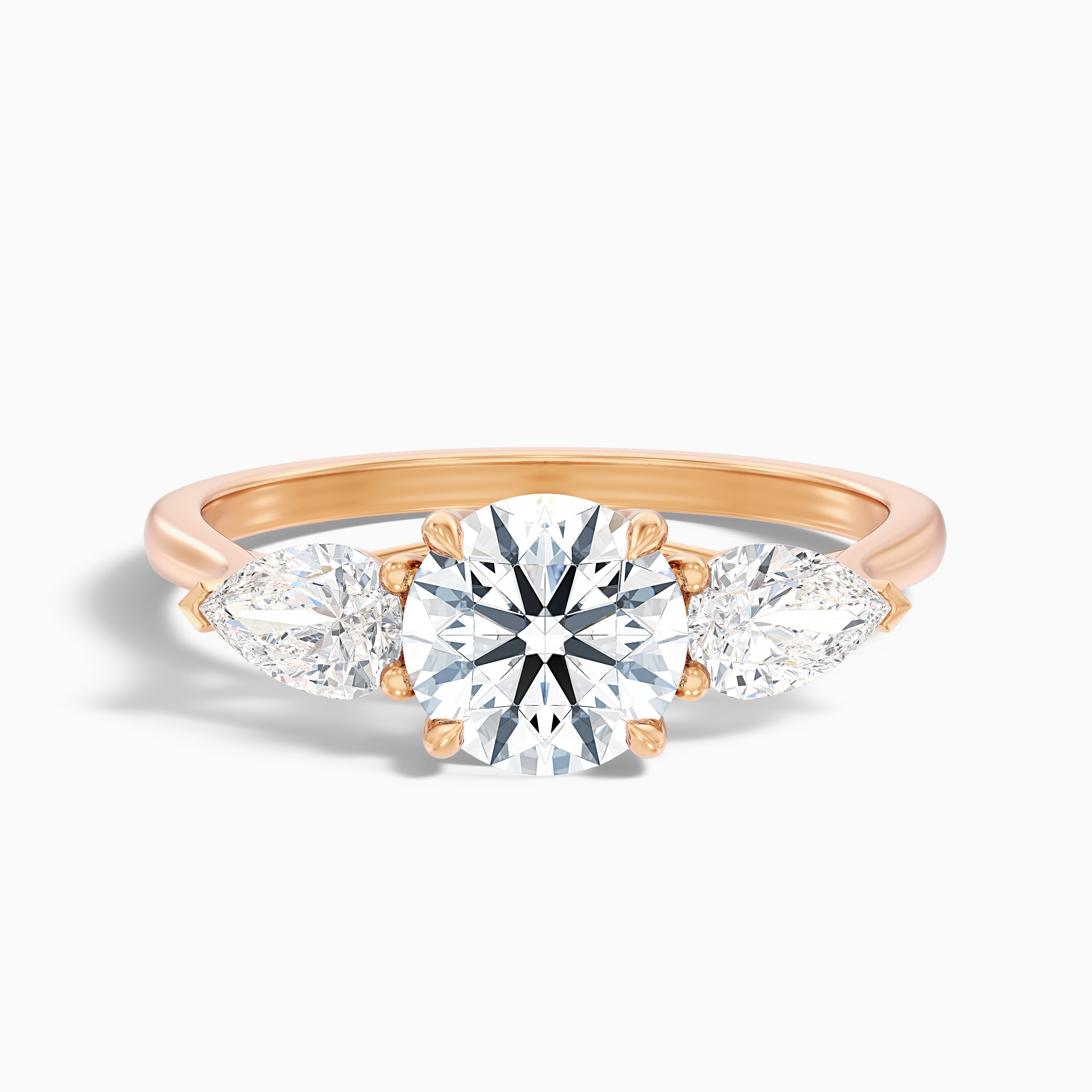
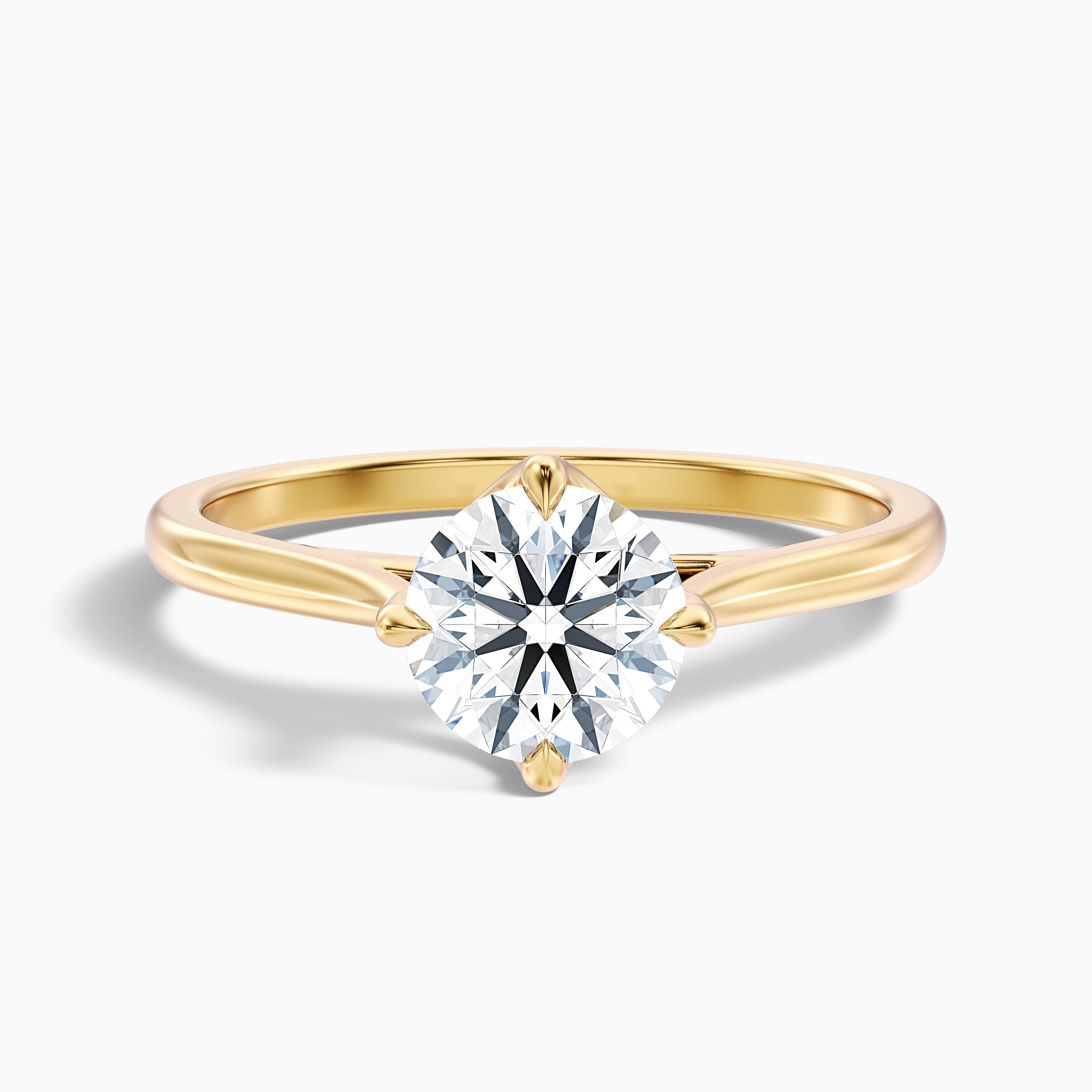
The round brilliant cut is the gold standard for best brilliance in diamonds. Usually hosting 57 or 58 facets, they are mathematically engineered to reflect the maximum amount of white light and thus sparkle the brightest. Fancier shapes like ovals, marquises, pears, and others, can be just as stunning but result in less uniform light return compared to a round cut.
3. Clarity and Its Role in Brilliance
Let’s take an example. Does a foggy or severely damaged windshield in a car help while you drive? That’s because the light cannot pass through the glass and allow you to evaluate your surroundings. Similarly, inclusions (cloudy spots in a diamond) block the light’s path and make the stone unable to showcase its ultimate diamond brilliance. That is why you need to choose higher clarity grades like VS, VVS, IF and FL to ensure that light travels through the stone with little to no interference, promising maximum brilliance.
Note: “Very (Very) Slightly Included”, “Internally Flawless”, and “Flawless” are gradings that evaluate how clear a diamond is under extreme magnification. Learn more about it here.
4. The Role of Diamond Color
As we go down the color scale, minute yellow and brown tints within the gem can absorb some of the light that should ideally be reflected for the perfect lab diamond brilliance. Higher color grades of diamonds (like D, E, and F) perform similarly to a clear prism, making them highly prized for their brilliance.
How to Maximize Diamond Brilliance
1. Choosing the Right Cut Grade
Say it with us: “Never compromise on the cut." If you are stuck between choosing a larger stone with a “Fair” cut and a slightly smaller stone with a “Very Good” cut, take the smaller one each time. This is because the superior light performance from a high-quality cut will maximize the brilliance of your lab diamond, even if it is fairly smaller in carat weight.
Related Article: How Are Lab-Grown Diamonds Graded and Certified by GIA?
2. Proper Cleaning and Maintenance
Since we wear our rings daily, skin oils, dirt, and body lotions can settle on the diamond, dimming its brilliance slightly. Thus, you must clean it regularly.
-
Once a month, soak your diamond ring in warm water and add a drop of mild dish soap. Take a soft-bristled toothbrush and run it on the bezels and on the back of the ring where the grime usually settles to keep it clean.
-
Visit a jeweler twice a year to ensure that the prongs are tight and to get the stones steam-cleaned. This helps in retaining the best brilliance of your diamonds.
Related Article: How to Clean Your Lab-Grown Diamond at Home?
3. Setting and Light Performance
The setting of a diamond is akin to the picture frame of a painting. It is generally recommended one goes with a six-pronged style for maximum protection while still allowing a majority of the light to enter the gem from all angles. If you are more concerned about protecting the stone, bezel settings wrap your diamond in metal, but note that they limit light entry from the side, which is crucial for scintillation.
Brilliance in Natural vs. Lab Grown Diamonds
Many of you might be wondering if the brilliance of lab diamonds can measure up to their mined counterparts. And the answer is a definitive yes. Lab grown diamonds are physically, chemically, and optically the same as mined diamonds. If the cuts are of the same quality, a 3.0 carat lab grown diamond ring will have the same fire, scintillation, and brilliance as a natural mined stone. A skilled gem cutter can make most natural diamonds (even ones with small flaws) look their best, but if they are cut poorly, even an "Excellent" grade mined diamond will look dull.
 Customize Now
 Customize Now
In short, naturally mined diamonds are considered more precious due to their rarity in nature (the reason why they are more expensive). However, do note that many people agree that lab grown diamonds offer the best value for money, with higher quality and clarity at a more affordable price.
Related Article: Lab-Grown Diamonds Vs Natural Diamonds: All You Need To Know
Busting Myths About Diamond Brilliance
-
Bigger is not the same as brighter. You might have seen cartoon characters on TV wearing humongous diamonds with blinding brilliance, but you need to realize that size is simply carat weight, and without excellent cutting, it only looks as good as a roadside crystal.
-
Just like humans, not all diamonds sparkle the same. The cut, color, and clarity of each diamond make every stone shine uniquely.
-
Brilliance is not the only thing that matters. You must know that a diamond’s brilliance, fire, and scintillation have compounding effects and contribute to the overall beauty of the gem.
Conclusion
Understanding diamond brilliance gives you an express ticket to look past the expensive price tag of mined diamonds and appreciate the true value of a gemstone, especially lab grown diamonds. By focusing on the clarity, cut, and color of a diamond, your selected gemstone is sure to outshine everyone in most places you visit.
At CaratBee, discover an exquisite collection of lab grown diamond rings for engagement, wedding, or any other special occasion. Carrying an IGI certification, every ring is crafted by highly skilled craftsmen with commitment to perfection. From offering unparalleled quality to free shipping, we ensure a hassle-free, reliable shopping experience.


