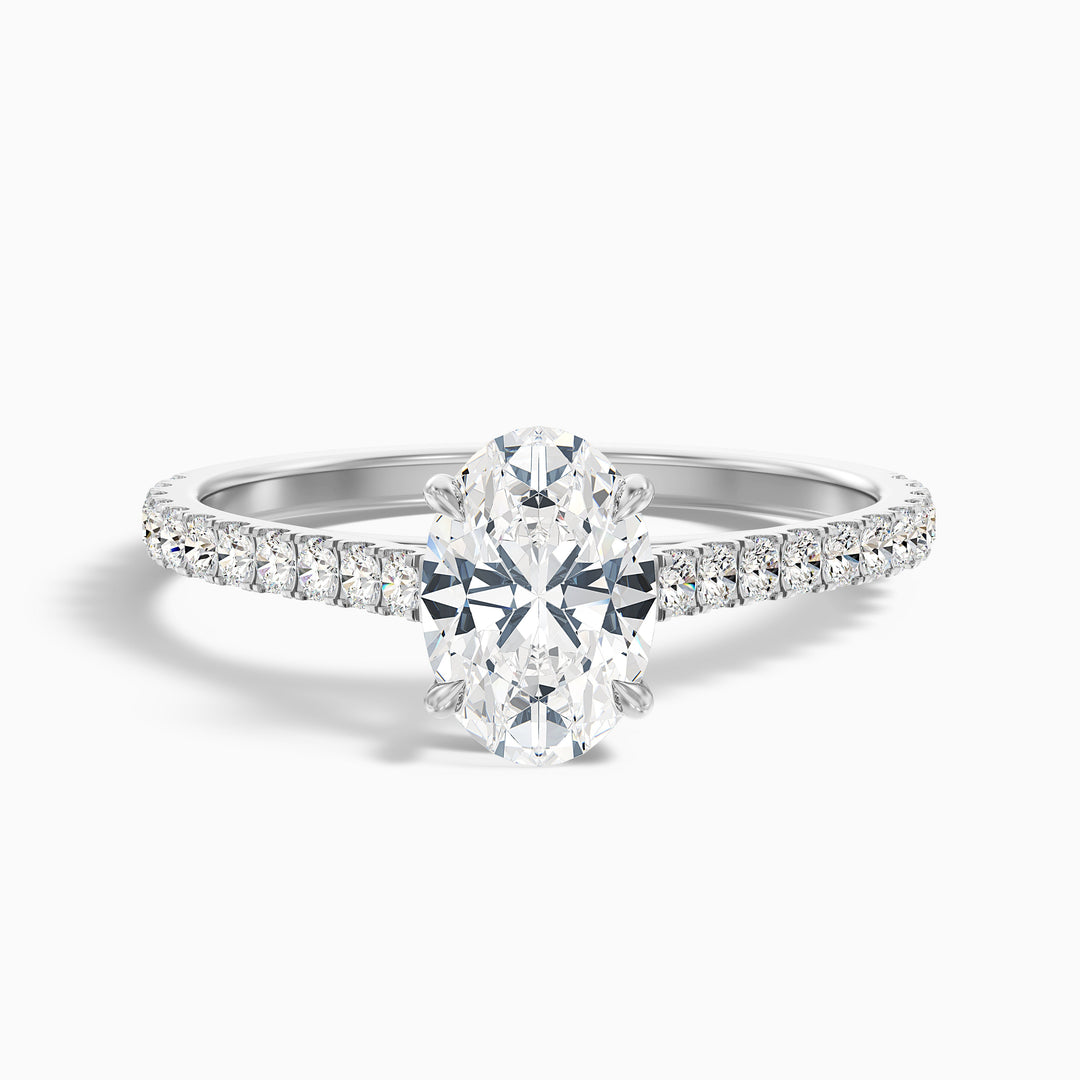
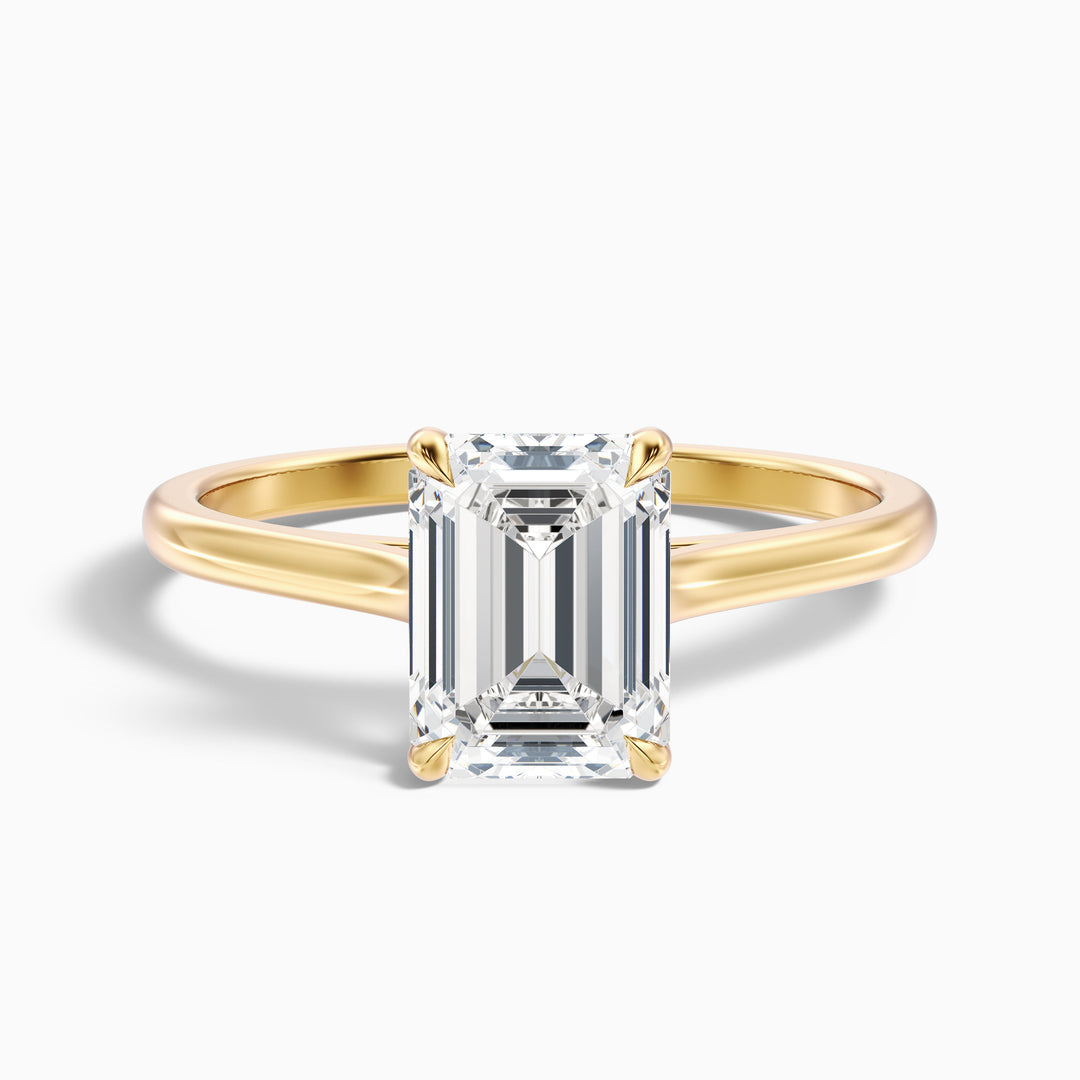
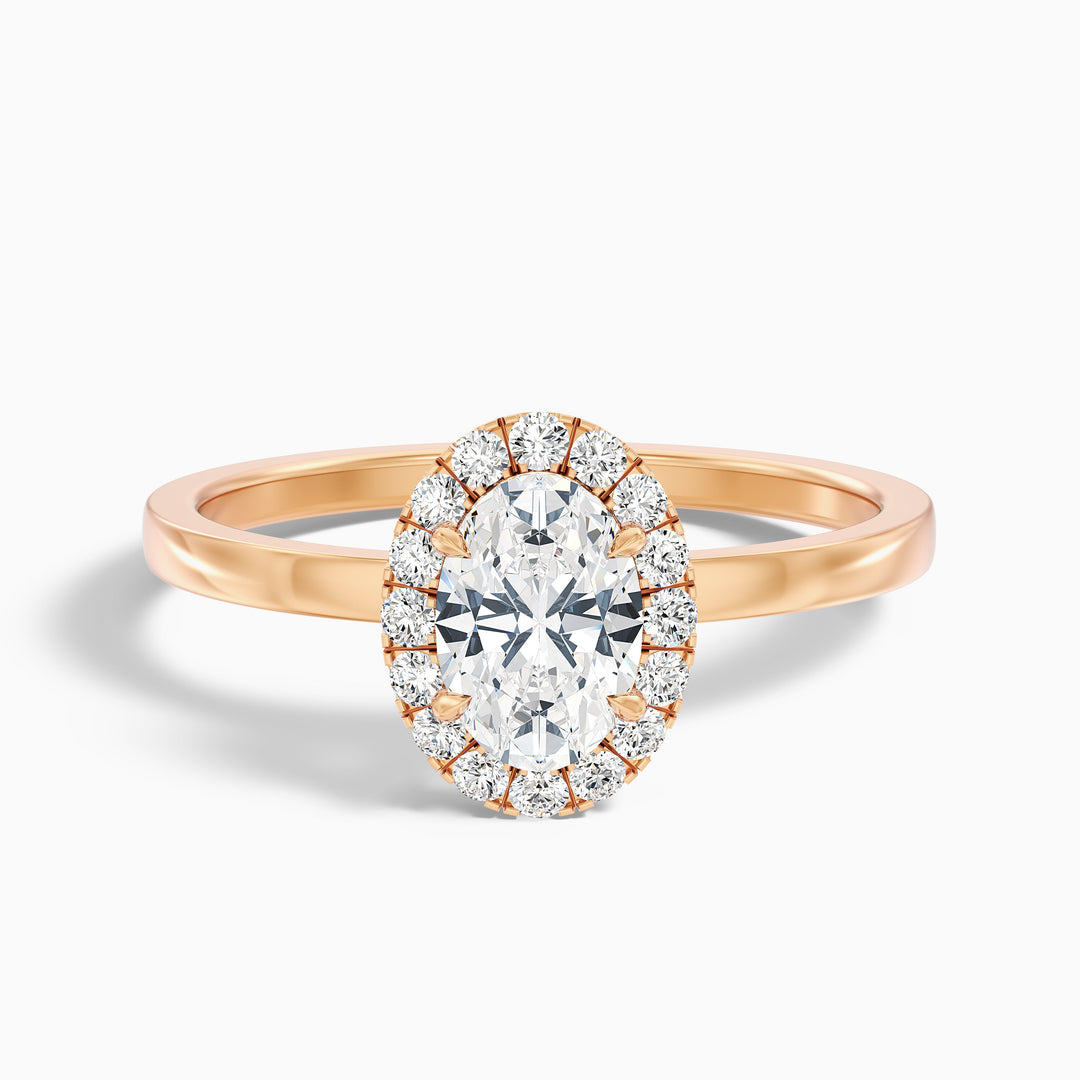
At CaratBee, every radiant cut lab grown diamond ring comes with an IGI certificate, so the cut, color, clarity, and carat weight you see are independently graded and verified.
Explore Our Collection of Radiant Cut Lab Grown Diamond Rings
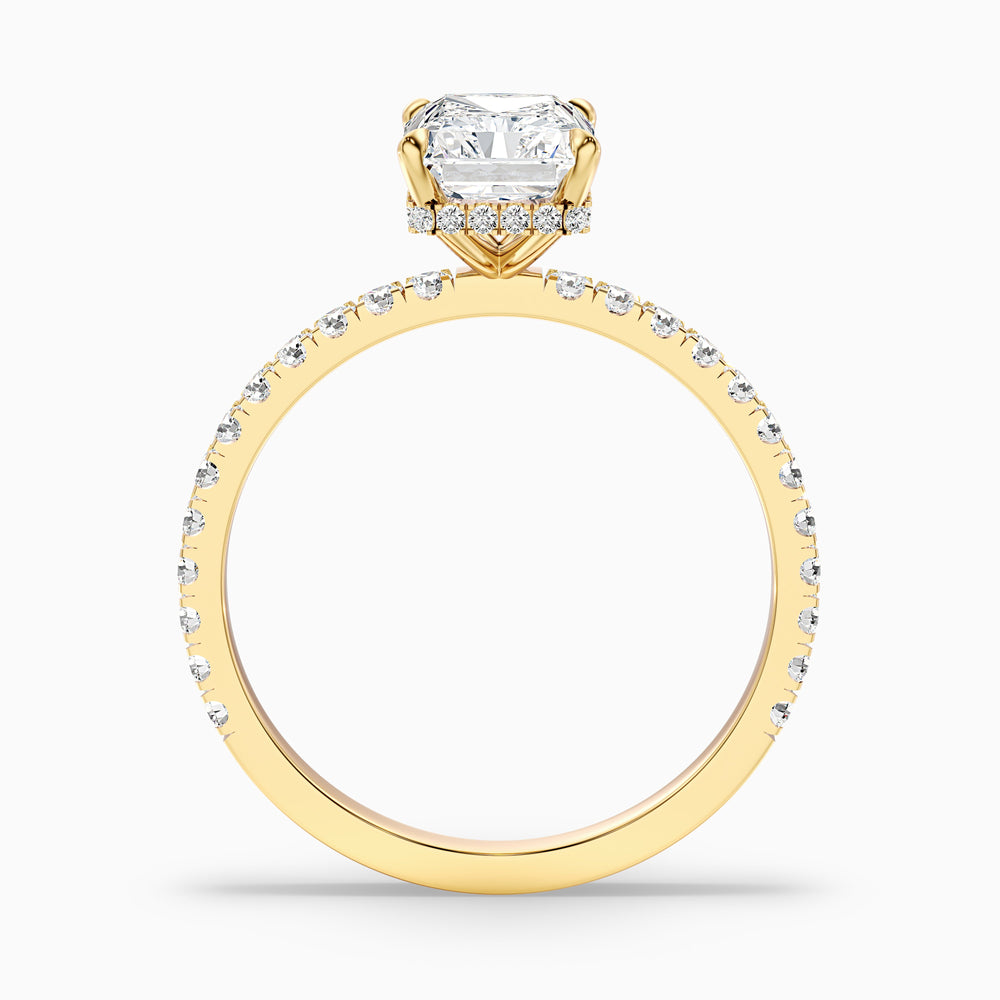
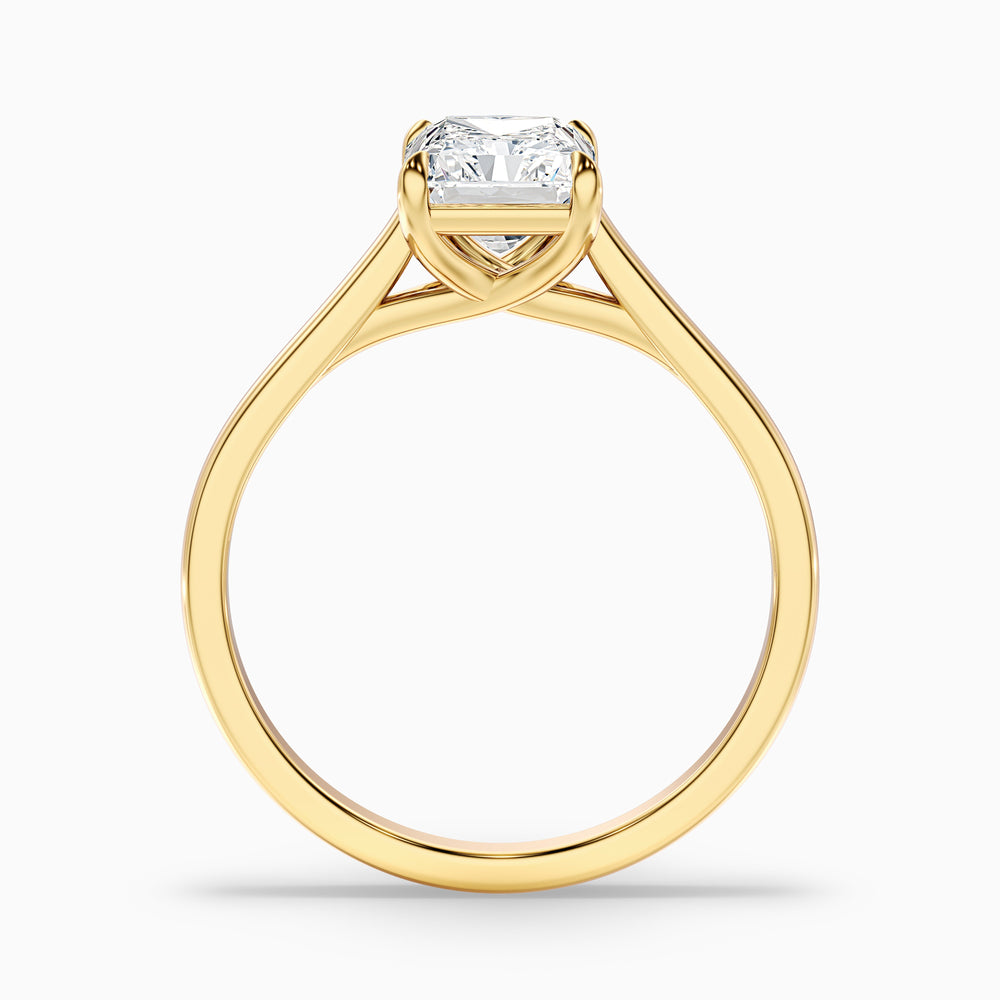
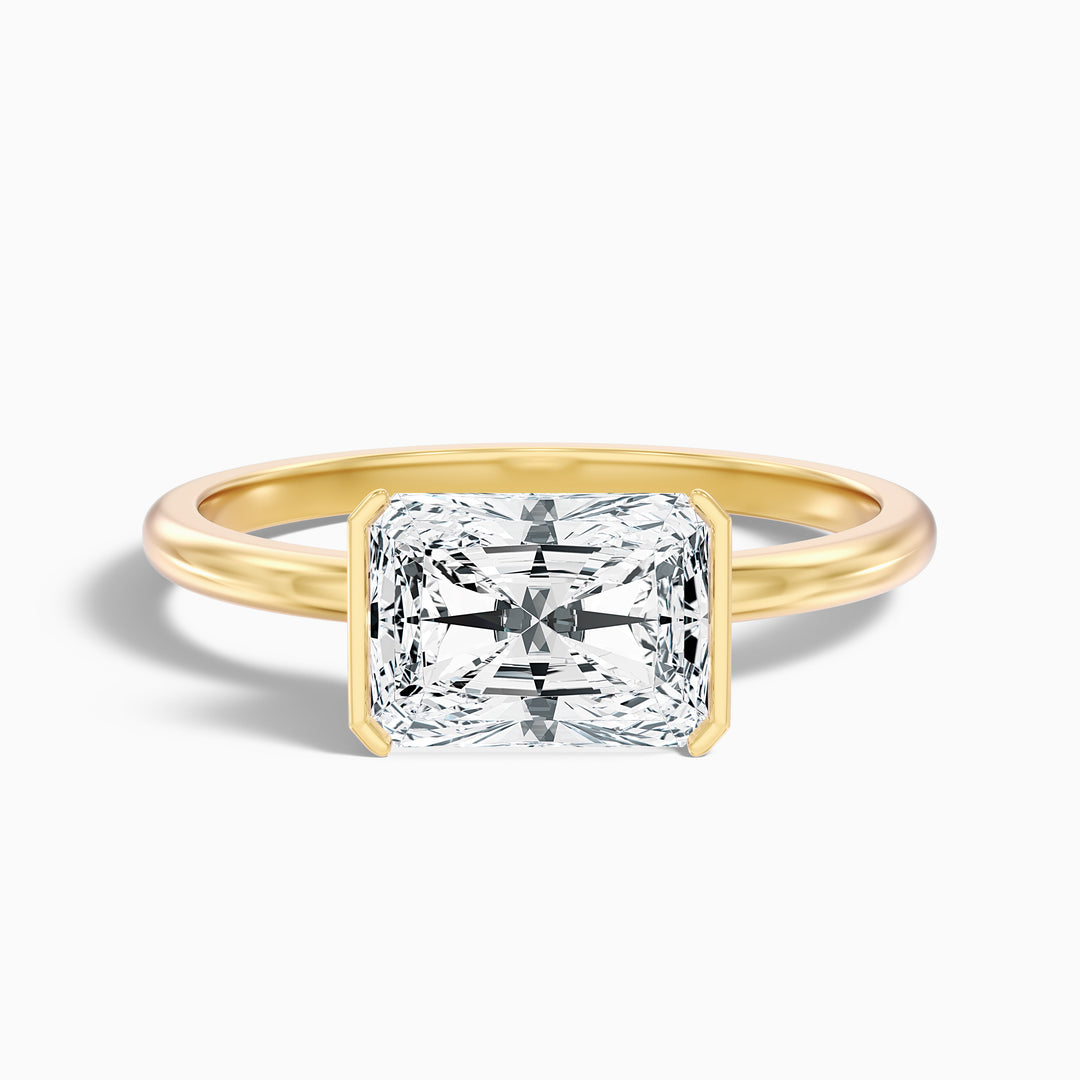
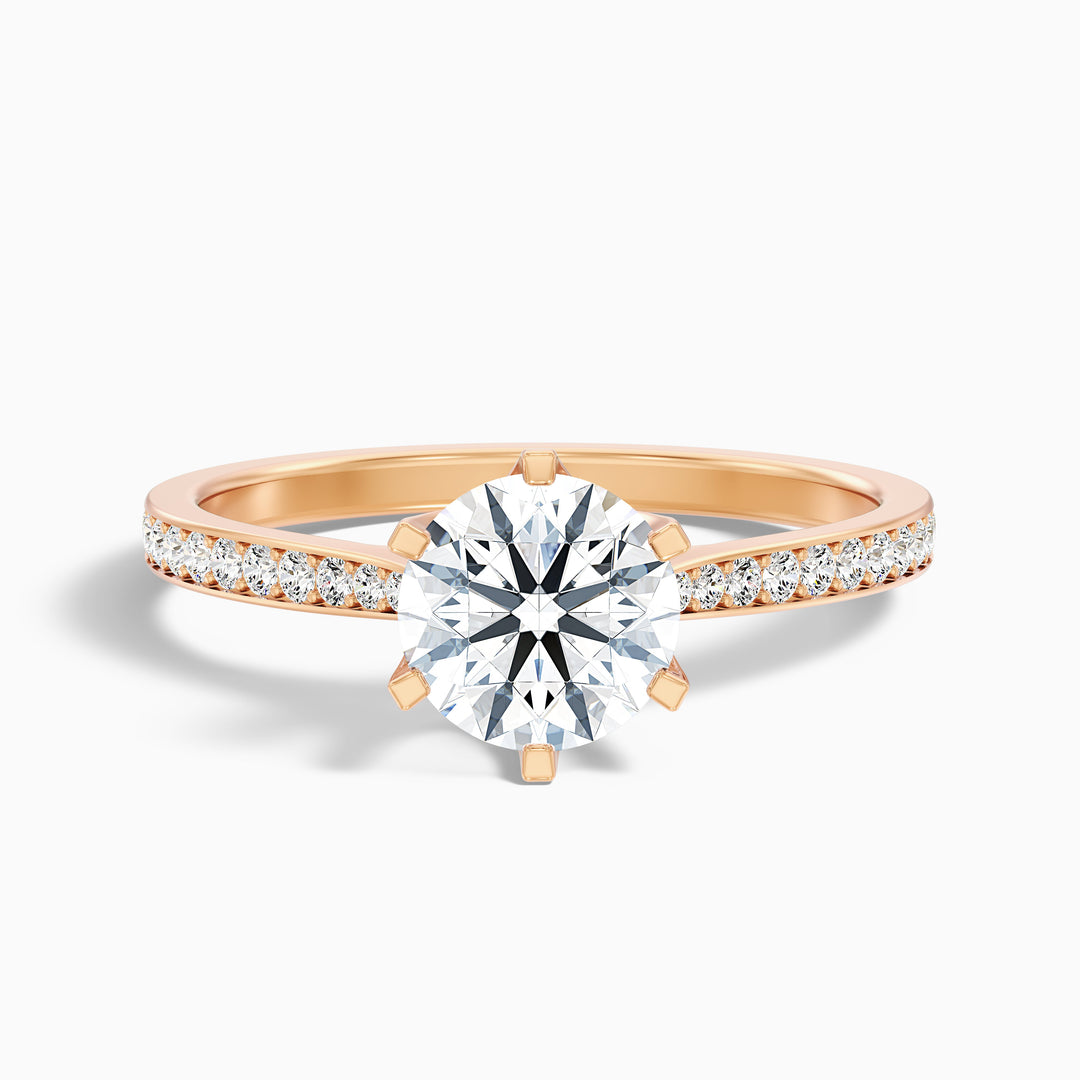
Our radiant cut lab grown diamond engagement rings are available in solitaire, halo, hidden halo, east-west, bezel, and pavé settings across white gold, yellow gold, rose gold, silver, and platinum. Each stone is independently certified by the IGI for all 4Cs.
Created in 1977 by Henry Grossbard, the radiant cut brought brilliant-style sparkle to a rectangular shape. Unlike step-cut diamonds such as the emerald cut, it delivers intense fire and brilliance, giving you the best of both worlds: a distinctive silhouette with plenty of sparkle.
Its faceting pattern also does a great job of hiding inclusions, which means you can often choose a slightly lower clarity grade without affecting how the diamond looks to the naked eye. The beveled corners are less prone to chipping than sharp-cornered cuts like the princess, making it a practical choice for everyday wear.
And because it's lab grown, you can enjoy all of these benefits at a significantly lower price than a mined diamond with comparable 4Cs.
Lab Grown Radiant Cut Diamond Engagement Rings
The radiant cut works well in most engagement ring styles because its geometry is strong enough to anchor a setting without competing with it for focus. Below mentioned are all the styles available in our radiant cut lab grown diamond engagement ring collection.
- Solitaire: A solitaire setting highlights the radiant cut's symmetry and brilliance. It remains one of the most popular choices for this shape because nothing competes with the center stone.
- Halo: In this setting, a halo of smaller diamonds surround the center stone and follows the radiant cut's rectangular outline. This style also ensures the overall ring looks significantly larger while adding perimeter sparkle. If you want maximum visual footprint with your radiant cut lab grown diamond ring, this is the setting to go for.
- Hidden Halo: You can think of this setting like a beauty filter. Tiny accent diamonds are placed underneath the lab grown radiant cut diamond in a circle to add an extra layer of sparkle when seen from the side. However, when viewed from above, it appears no different than a solitaire setting.
- Pavé Band: This setting features diamonds intentionally set along the ring’s band to draw the eye toward the center stone. This works well as either a standalone setting or combined with a halo if you want the ring to read as a complete piece.
- East West: The east-west style is where the radiant cut stone is placed perpendicular to the finger (horizontally) rather than running vertically in the same direction of the finger.
Customize Your Radiant Cut Ring
Radiant cuts are surprisingly versatile. A length-to-width ratio of 1.00 to 1.05 creates a balanced, almost square shape, while longer ratios give the stone a more elongated look. Neither is better; it simply comes down to the style you prefer.
At CaratBee, you can personalize your ring and review a custom 3D render before production begins.
How to Care for Your Radiant Cut Lab Grown Diamond Ring
- Clean the ring regularly: Regular use of soap, sunscreen, and lotions eventually find their way onto the stone. Warm water, mild dish soap, and a soft brush once a week usually keep the diamond looking pristine and clear.
- Store it separately when you're not wearing it: Diamonds can scratch other jewelry easily. They're also not gentle on precious metals due to their incredible hardness. So, always keep them in a box to avoid damage.
- Check prongs annually: Diamonds in prong settings tend to shift and loosen gradually over time. We recommend you to visit a jeweler every year so that they can inspect and tighten them during a routine cleaning.
Radiant Cut vs. Other Diamond Shapes
- Radiant vs. Emerald: While both are rectangular, the emerald cut uses open parallel facets that create a hall-of-mirrors effect, prioritizing clarity over brilliance of the diamond. The radiant cut uses brilliant-style faceting, similar to a round brilliant, making it sparkle brighter. If you want a stone that flashes, go with emerald. If you prioritize good sparkle, the radiant is a no-brainer.
- Radiant vs. Princess: Princess cut diamonds are square with sharp corners, making them more prone to chipping. Meanwhile, radiant cut diamonds are mostly rectangular with beveled corners, meaning that they’re more durable due to the slanted transitions between stone edges. A rectangular radiant is also typically more expensive than a princess cut and warmer in tone. Moreover, it is more suitable for anyone engaged in hands-on activities everyday.
- Radiant vs. Cushion: This is a tough one. Both are brilliant cuts and hide inclusions well. While the cushion has rounded corners and a softer silhouette, the radiant has straight edges and a more architectural look. In terms of vibes, the cushion reads as romantic and vintage while the radiant is sparkly and modern. In the end, the ring choice all comes down to your preference.