


Everything You Need to Know About Oval Cut Diamonds

Picture a client sliding two identical carat weights across a tray, one round, one oval. The round sparkles familiarly; the oval stretches the light, seeming larger than its weight. That first question - “why does this one look bigger?” starts many searches for a modern engagement ring.
At the same time, steep lab grown price shifts and stricter provenance questions are reshaping how couples balance romance, budget, and ethics. This guide walks you through the real decision points, proportions, bow-tie, performance grading, care, and market timing of buying an oval-cut diamond engagement ring.
The History of Oval Cut Diamonds
In 1957, master cutter Lazare Kaplan formalized the modern oval cut, which was brilliant, refining symmetry and light behavior beyond earlier “ovalish” experiments, an origin point that gives today’s oval both a mid-century pedigree and contemporary credibility.
Kaplan’s talent for cleaving irregular, rough outlines into elegant ones that made the shape efficient. An elongated outline can retain material that might be lost, forcing a perfect circle, helping ovals achieve steady bench adoption and decades of continuous popularity.
What Is an Oval Cut Diamond?
An oval cut diamond inherits the round cut's fundamental dazzle architecture but extends the facet map lengthwise, producing wide flashes that flatter fingers and adjust to settings throughout the vintage vs. modern style range.
Because fancy shapes lack a universally enforced overall cut grade. Its assessment leans on measured proportions, live or video light performance, and newer multi-factor grading systems rather than a single line on a certificate.
Characteristics of Oval Cut Diamonds
Shape and Proportions
Length-to-width (L/W) ratio creates the silhouette narrative: 1.30–1.35 reads classic, 1.35-1.45 balanced, 1.45-1.50+ a sleeker, fashion-forward look favored in many modern style diamond rings. There is a preference, not a mandatory “ideal”, so we map lifestyle and setting before locking a band.
Bow-Tie Effect

The hourglass-shaped shadow, linked darker triangles, or bow-tie are all products of how the observer perceives the reflection (or lack thereof) of light by elongated dazzling facets. A light, breathing contrast is normal, while a dense, unreactive bar drains life. A field test:
(1) neutral diffused light face-up,
(2) slow rotation,
(3) 30° forward/back tilt,
(4) a small point light.
If the center never flickers brighter, it is generally passed. Multi-aspect performance grading (eight criteria systems) now tags a tiny top slice (reported at <1% of ovals), offering a quality shortcut, yet we still insist on motion video because grading can’t convey your subjective taste for contrast.
Illusion of Size
Mid-ratio ovals often look larger than equal-carat rounds because the eye tracks length and outline spread. These cuts are frequently cited around a 10% face-up perception advantage, supporting their reputation for value in a modern engagement ring without moving up a carat bracket. When you push proportion extremes or very shallow builds solely for millimeter gain, you risk a harsher bow-tie or reduced brightness. Only balanced geometry preserves both coverage and vitality.
How to Choose an Oval Cut Diamond
The original brief gave two word ranges; we aim for a middle path focused on action. (No external citation required.)
1. Budget & Market Timing: The rapid popularity of lab-grown diamonds has led to a price decline. This has helped couples to have better options in terms of color or craftsmanship. Natural marketing pivots toward rarity and provenance amid valuation and structural shifts.
2. Natural vs Lab Decision: Natural diamonds offer a legacy narrative; lab grown diamonds often deliver major per-carat savings (share climbing from 1% a decade ago to 20% today), enabling “size + quality” moves inside the same spend.
3. Define Ratio Early: Selecting a L/W band (say 1.35-1.45 balanced or 1.45-1.50 elongated) filters inventory and keeps you from “falling in love” with an off-brief outline.
4. Bow-Tie & Light Screening: Apply the four-step motion test; accept a lively, mild bow-tie over a lifeless, over-corrected center.
5. Performance / Certification Layer: Consider a multi-factor grade (e.g., 8X) as an initial filter, remembering fewer than 1% qualify, absence isn’t failure; presence just narrows the field faster.
6. Color and Clarity Priorities: Tips can show tint or inclusions sooner; view face-up and side-on in neutral light before paying for incremental upgrades that won’t be visible once set.
7. Terminology and Disclosure: Check that lab stones are clearly described with accepted FTC Jewelry Guides language (“lab grown,” “laboratory-created,” or “cultured” + “diamond”).
8. Provenance and Sanctions Awareness: Evolving G7 traceability and sanction timetables (and delays) make it reasonable to ask for origin documentation on natural stones.
9. Re-Check Prices at Decision Point: Fast lab-grown adjustments can outdate research compiled a month earlier; refresh week-of to avoid stale benchmarks.
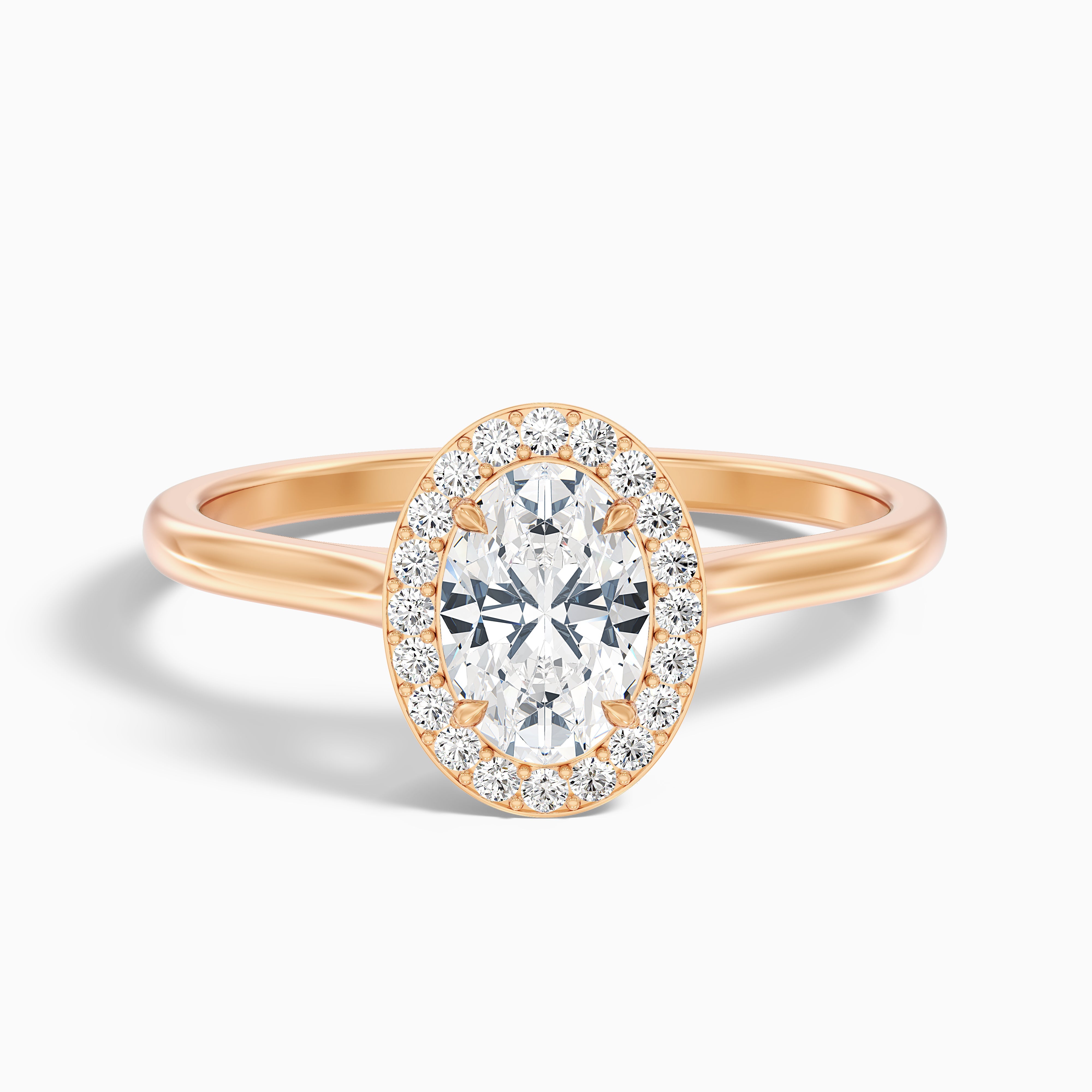
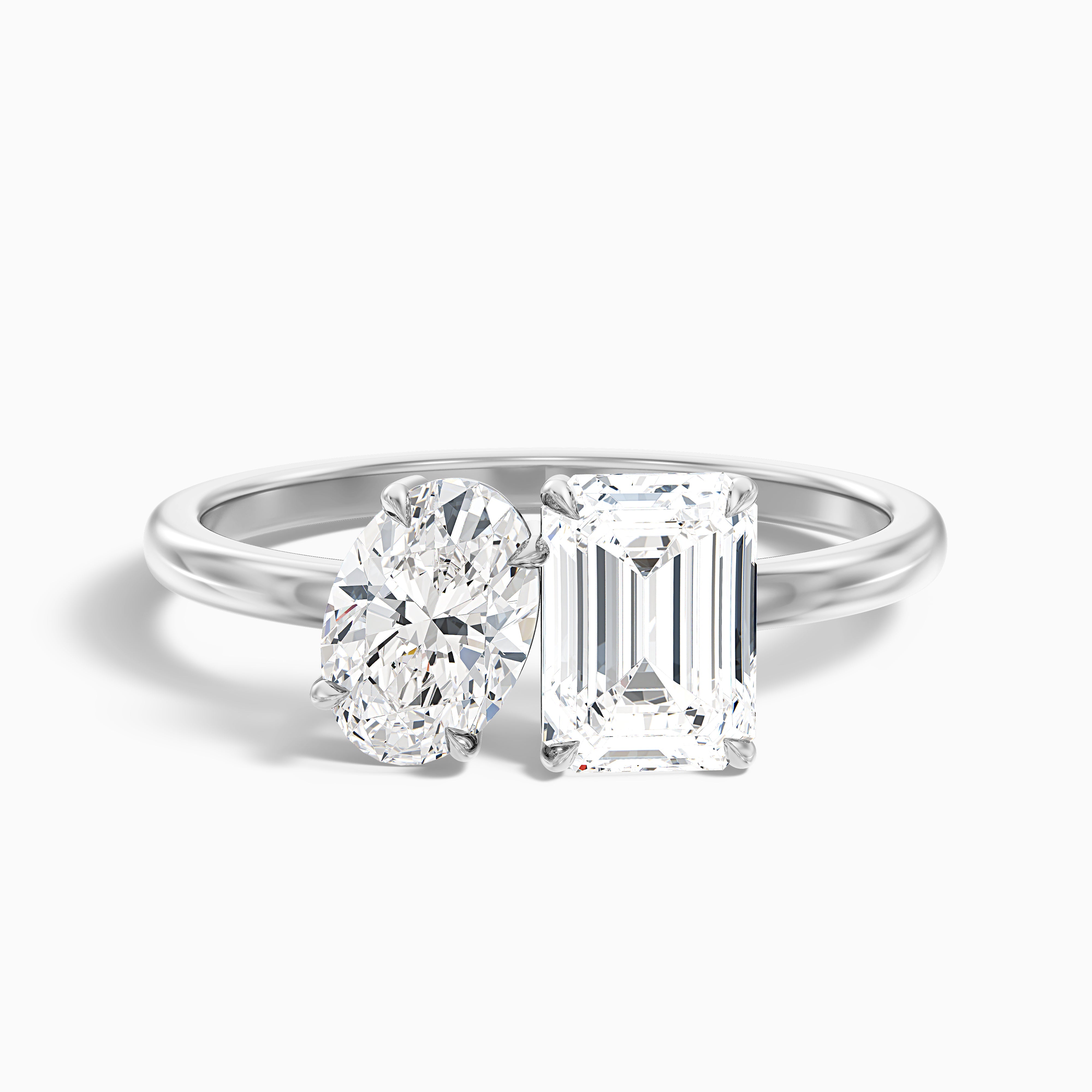
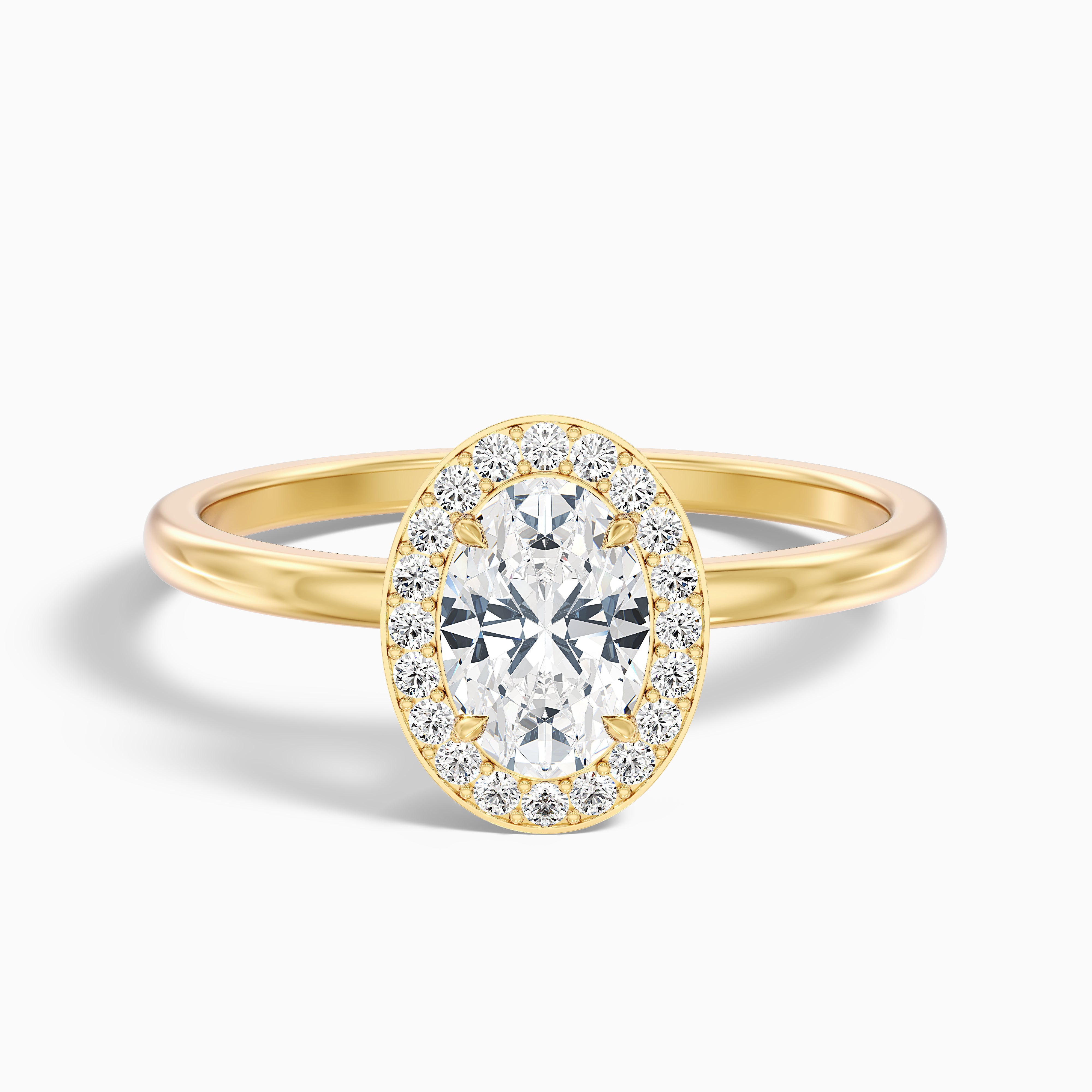
10. Setting Synergy for engagement ring inspiration: Mid ratios sit gracefully in vintage halos or three-stones (bridging vintage vs modern aesthetics); higher ratios accent minimalist bezels, east-west concepts, or sleek solitaires for a crisp modern style diamond rings statement.
Oval Cut Diamond vs. Other Diamond Cuts
Compared to rounds, ovals offer a universal cut grade framework for extra finger coverage and soft edges that feel both current and enduring. This cut becomes useful when reconciling modern engagement ring taste with timeless engagement ring aspirations.
Against other elongated shapes with sharp tips, the oval avoids pointed fragility yet preserves lengthening visual efficiency; continued non-round market resilience supports confidence that the choice isn’t a transient spike.
 Customize Now
Caring for Oval Cut Diamond
Routine Clean: Soak 15-40 minutes in warm water plus a drop of mild dish soap; soft toothbrush under the pavilion and around prongs; rinse; lint-free dry.
Frequency and Habits: Light daily wear: gentle clean every few weeks (weekly with heavy lotion/sunscreen), plus periodic professional inspection to catch early movement.
Avoid: Bleach, abrasive powders, harsh “viral hacks,” or frequent strong cleaners on delicate settings; these add risk without meaningful extra sparkle.
Conclusion
When looking for an engagement ring, you must define your budget, choose a ratio band, run the bow-tie motion test, layer in performance grading without skipping your eyes, confirm clear terminology and origin transparency, and adopt a gentle cleaning rhythm.
Ready to turn research into a ring? Visit CaratBee to compare vetted oval cut diamond ring videos, request rotation clips, and shape a style that spans vintage vs modern expectations.


