


What to Look Into When Buying a Diamond Ring?

A lot of modern ring shopping begins in a quiet moment at home, scrolling through diamond listings and comparing one detail after another. And almost always, the same question comes up. Why does one cost so much more than another when they look almost identical on screen?
If you're researching how to buy a diamond, you're probably not looking for a sales pitch. You want a clear way to tell what affects beauty, what affects price, and what’s just jewelry-store theater. Here is the fastest way to sort it out.
The 4Cs of Diamonds - The Ultimate Buying Guide
What to look for in a diamond: Most shoppers know the 4Cs exist. Fewer know which differences actually matter once the ring is on a hand. Picture this: you’re on your lunch break, comparing two diamond rings online. You zoom in on every detail and watch the price climb. And you start wondering why one costs so much more when they look almost the same on screen.
This is where many buyers get pushed toward top-tier specs, even when their budget does not need them. But the smartest buy is rarely the highest spec sheet. Start with cut, because cut quality drives a diamond’s fire, sparkle, and brilliance.
You do not need a gemologist language to buy well. For most buyers, the useful trade-off is simple: spend on cut first, then stop paying for clarity upgrades once the stone is eye-clean. A buyer will usually notice the difference between a lively cut and a flat-looking one immediately. By contrast, two very high clarity grades will look the same to most people without magnification. It is the kind of trade-off that saves money without making the ring look worse.
Certification matters here too, because a diamond report only helps if the grading is reliable. GIA’s formal cut grade applies only to standard round brilliant diamonds in the D-to-Z color range. For other shapes, buyers need to rely more on measurements, videos, and face-up appearance.
Understanding Diamond Certification - GIA vs. IGI vs. EGL
What to look for when buying a diamond starts with the certificate. GIA is often seen as the most trusted for consistent grading. IGI is also common, especially for lab-grown diamonds. EGL usually appears in lower-priced listings, but many buyers see its grading as less reliable. That is why the name on the certificate matters. It can shape how you judge the diamond’s quality, price, and overall value.
Choosing the Right Diamond Shape for Your Style
How to choose a diamond starts with shape, because shape changes the mood of the ring, the way carat weight is presented, and how far the budget goes. A shopper might be standing in line for coffee, looking at screenshots of round, oval, and cushion rings, and asking, “Which one actually feels like me?” That instinct matters. It becomes much more useful once you understand how the shape changes the look of the ring.
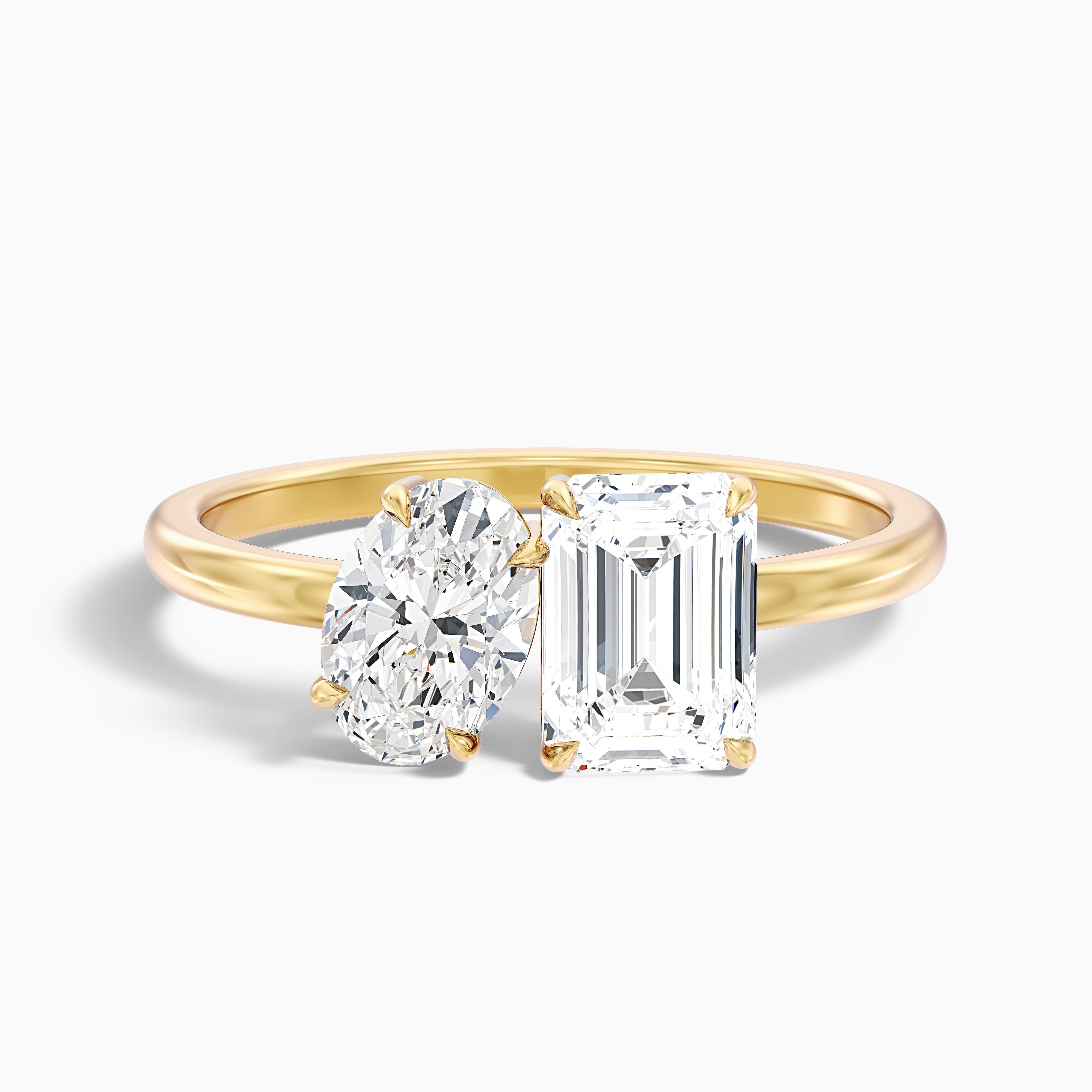
Round diamonds stay popular for a reason, but they usually cost more per carat. Oval, pear, and marquise shapes usually spread longer across the finger, so they often look larger than a round of the same carat weight. This is why a 1 carat oval can feel more expensive on the hand than a 1 carat round, even though the weight is the same. GIA also points that out with fancy shapes, proportions and outline matter, not just carat weight.
Cushion and radiant cuts can feel softer or more modern depending on the setting, but the difference is easier to understand when you focus on what they actually look like. Cushion usually reads softer because the outline is gentler and the corners are rounded. Radiant often looks sharper and more lively because the sparkle breaks into smaller flashes. Emerald and Asscher cuts have a cleaner, more architectural look. They reflect light in broad, mirror-like flashes. That is very different from the sharp, scattered sparkle many buyers expect from brilliant cuts.
This should not feel like a mysterious luxury decision. A better process is to compare shapes in this order: first, the outline on the hand, then the face-up spread, then the style of sparkle. It gives the buyer something to evaluate beyond “I think I like this one.”
| Shape | Style & Features | Affordability |
|---|---|---|
| Round | Classic, most brilliant | Most expensive |
| Princess | Modern, sharp edges | More affordable |
| Oval | Elegant, elongated fingers | Budget-friendly |
| Cushion | Vintage, soft edges | Medium price |
| Emerald | Step-cut, sophisticated | Lower brilliance |
| Pear | Unique, teardrop shape | Can appear larger |
| Asscher | Art Deco, step-cut | Less common |
Selecting the Perfect Setting - Prongs, Halo, or Bezel?
Things to look for in a diamond go beyond the stone itself, because the setting changes size perception, protection, and daily wear. A ring can look perfect in a product photo. But when it catches on a sweater while you are getting ready for work, the difference between pretty and practical becomes obvious.
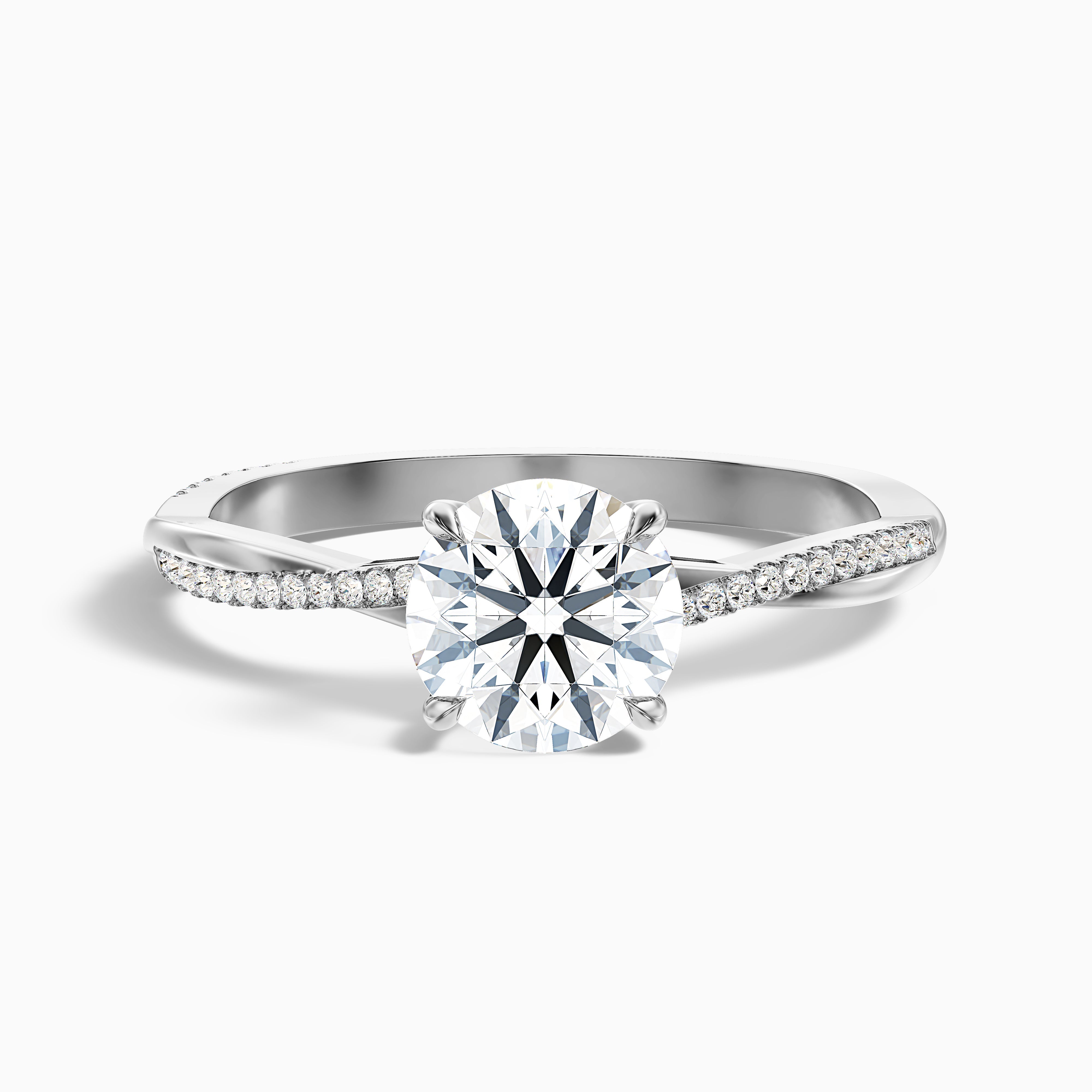
Prong settings show off more of the diamond and can make it feel larger and brighter. Halo settings make the center stone look larger and add extra sparkle. Many buyers choose them when they want more presence without changing the overall design of the ring. Bezel settings offer a cleaner look and more protection. GIA notes that the bezel is one of the most protective setting styles because it has no prongs to snag on gloves. That makes it especially useful for active wear or hand-heavy routines.
 Customize Now
 Customize Now
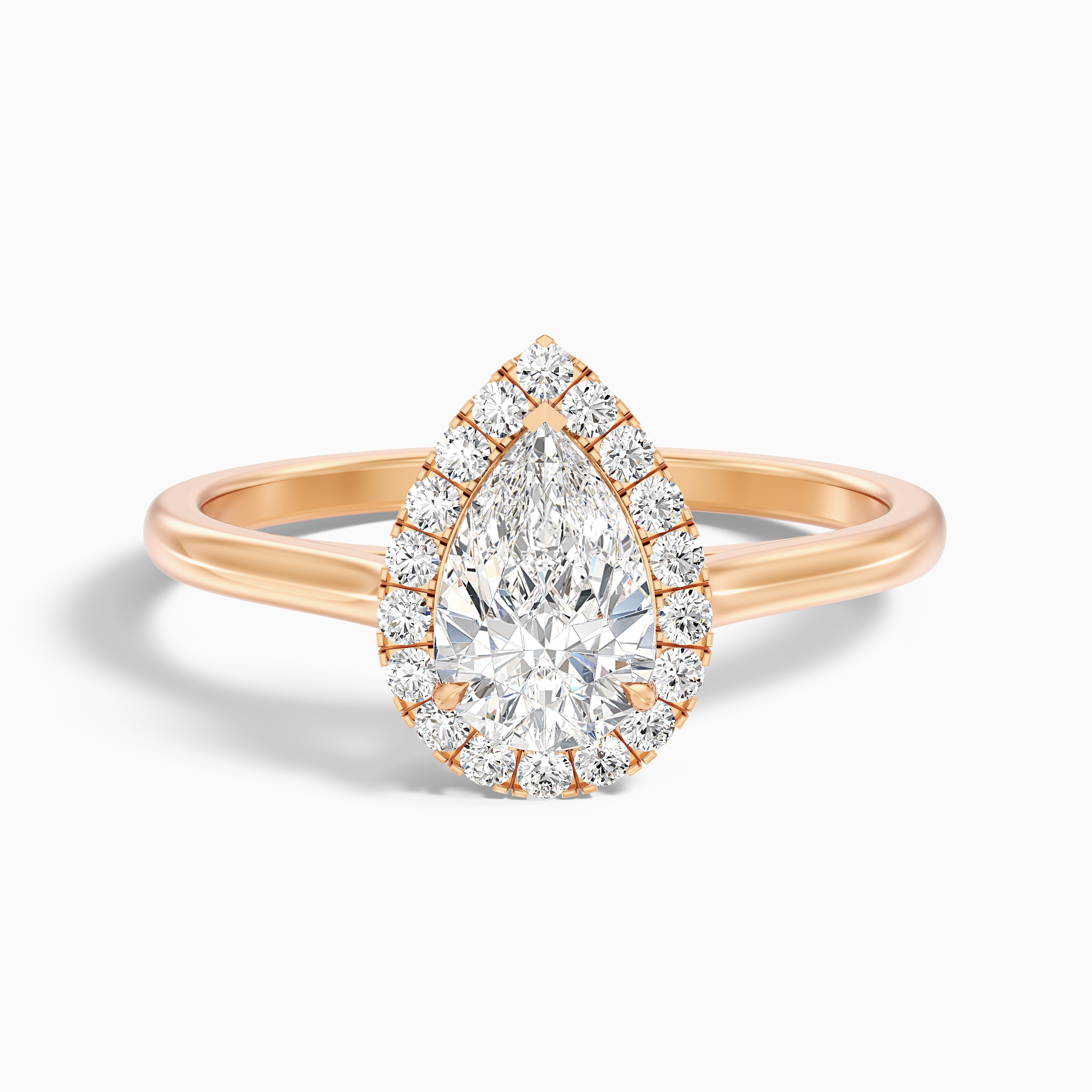
For someone who types all day, wears gloves, works in healthcare, or wants less fuss, the bezel can make more sense than a taller prong setting. For someone who wants the center stone to stay visually open and bright from more angles, prongs often make more sense. For someone chasing a larger face-up impression, halo becomes the obvious comparison. What matters most here is not just what each setting is called, but who each one works best for.
Metal Choices - Platinum, Gold, or White Gold?
How do you pick a diamond without losing sight of the finished ring? By remembering that the stone is only part of the ring. The metal changes durability, maintenance, color balance, and total budget. That is why a buyer might hold up an everyday watch or laptop next to jewelry photos and ask which option really fits their daily life.
Platinum is dense, durable, and often chosen by buyers who want a white metal without replating. White gold gives a similar broad white-metal look, but it usually brings maintenance expectations such as rhodium replating over time. Yellow gold changes the contrast around the stone and can make the whole ring feel warmer, softer, and slightly less clinical. A simple rule helps here: choose platinum if low-maintenance white metal matters most. Go for white gold if budget matters more than avoiding replating. Yellow gold is great if warmth and softer contrast matter most.
A slightly warm-looking stone can look richer in yellow gold, while a bright white stone can look sharper in platinum or white gold. This shows why metal is not just a finishing touch. It changes how the stone looks once the ring is finished.
Budgeting Smartly - How to Get the Best Value
How do you know about diamonds when every listing starts to blur together? Start with a cut. Then think about shape. Next, consider setting if daily wear or visual spread matters. Prioritize eye-clean clarity; beyond that, the difference is rarely visible. Choose metal after that, based on maintenance and budget. This gives the reader a real way to make decisions, not just a vague idea of value.
Instead of spending more on mined origin or tiny clarity upgrades, a buyer can put that budget toward a better cut, a shape that looks larger, or a setting that changes how the ring looks on the hand. It works better because it shows the buyer how to think, not just what to buy.
Conclusion
The smartest diamond buy is not about insisting on a mined stone, chasing the perfect specs, or paying extra for differences you will only notice under 10x magnification. The key points are simple. Cut affects brightness. Certification affects trust. Shape affects how large the diamond looks. The setting and metal affect how the ring wears every day.
When you know what matters, you can finally close the laptop feeling calmer than you did at the start, choosing the perfect diamond ring. The reason is practical: check the lab, check the cut, compare the measurements, and stop paying extra for differences you cannot see. Now that you know how to choose a diamond, the next step is picking the right one for you. At CaratBee, we bring you a wide variety of exquisite lab grown diamond rings at affordable prices. Ready to find a design that feels right in both style and value? Visit us today.


